High-Fidelity Prototype
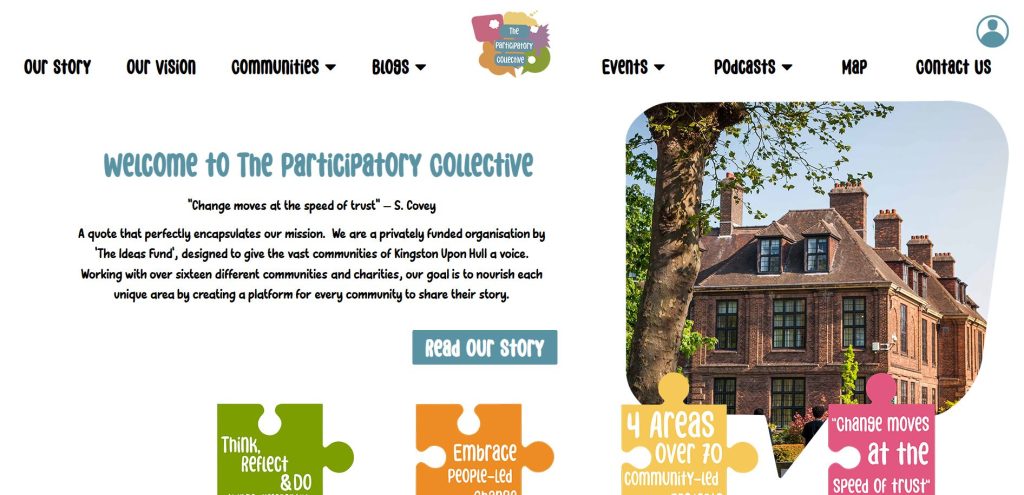
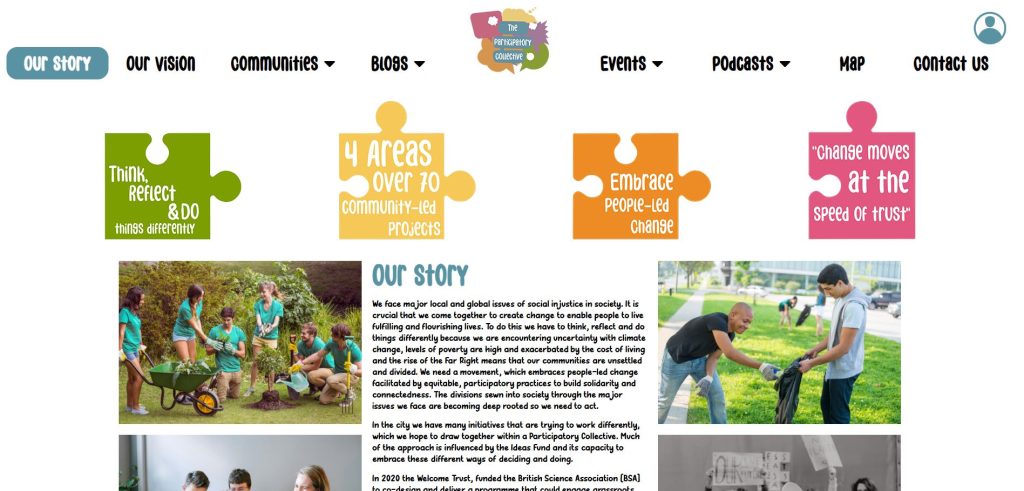
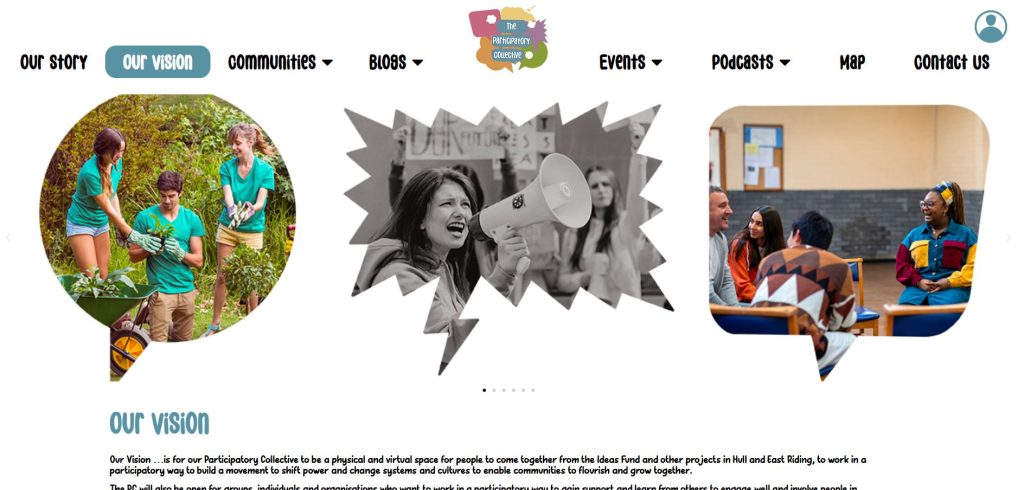
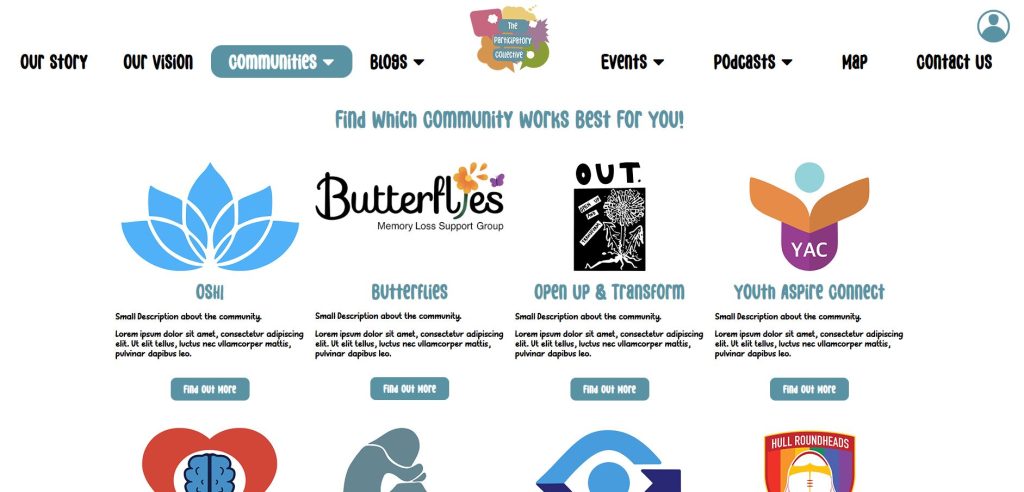
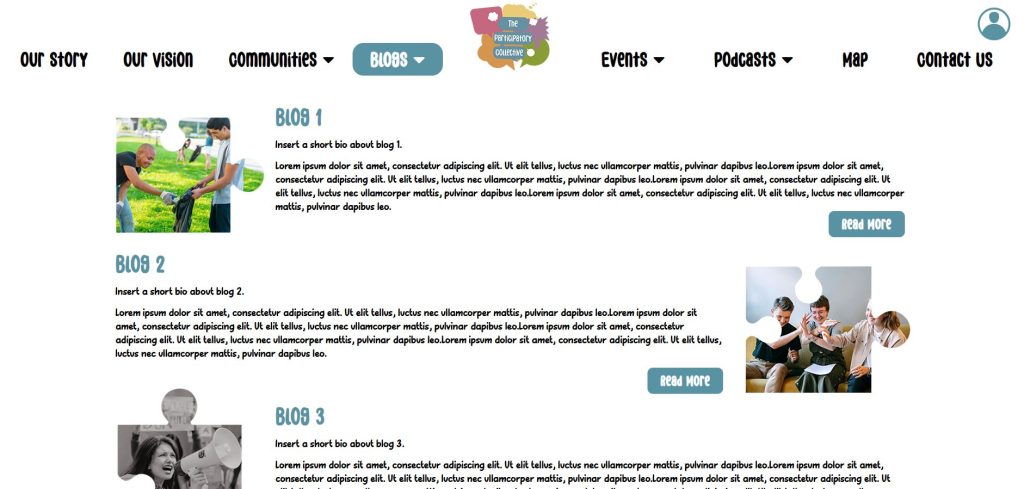
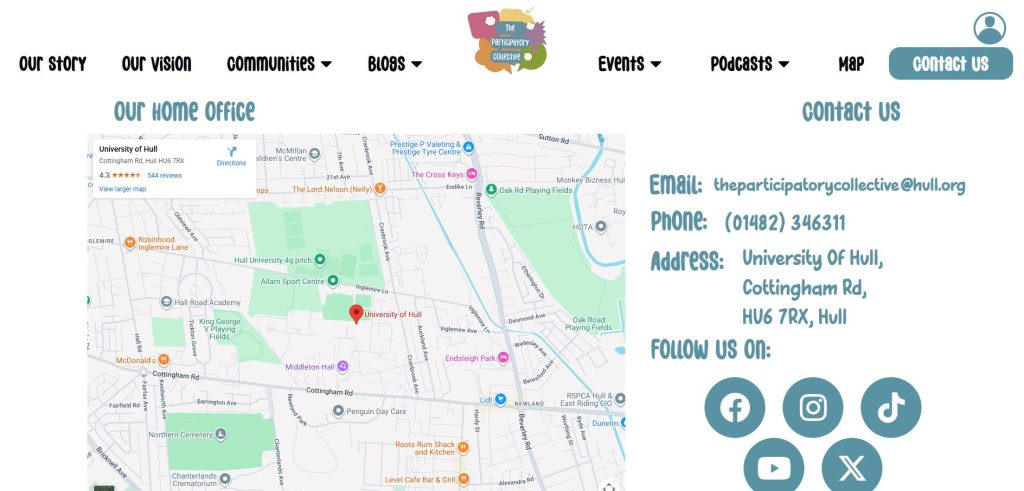
Link below to the website. Created using Elementor, on a privately owned domain. Was cleared with tutor before submitting.
home
Brand Guidelines & Omni-Channel Media Campaign
The Campaign As A Whole
‘Connect with your community’ it’s where we started and it’s where we’ll finish.
From the very start of this project, I knew in my bones that ‘connect with your community’ would be the collective’s slogan. So, when brainstorming potential campaigns, the answers came naturally. Connecting. With. Your. Community. The hub of this idea, being the University of Hull. Due to several of the communities involved in this project being assisted by the university, alongside the creative involvement with students, this felt like the most logical and central option for hosting an event.
With this in mind, it then became about addressing what exactly the collective aims to get from an event. The primary answer, being awareness. Considering this, a physical ‘brand launch’ felt like the most appropriate campaign to address this objective. In order to achieve the maximum interactivity, pairing the launch with an event hosted by the university, such as freshers fair, would massively increase footfall.
So, using freshers fair as a template, how exactly would we do this? Well, ideally our main concern is making sure we stand out against other stalls on the day. In order to best achieve this, location would be vital. By positioning our setup away from the main stalls, whilst still in a heavy traffic area, we’re ironically giving the collective a more singular identity. Next comes involvement, and due to having such a large number of groups involved in this project, it’s important from an ethical stand point, that each feels included. This would mean a small portion of our tables would be dedicated to informational leaflets or small merchandise items from each charity/community. This would still leave a main table available to promote ‘The Participatory Collective’ as a whole.
In order to also address the connectiveness, I would have each ‘member of staff’ dressed in matching tops with the collective’s logo front and centre. This creates a unified look, promoting the collective as a whole, even with separated members or locations.
Promoting Our Brand
Now with a location and hypothetical event in mind, how do we guarantee interactivity outside of the universities event. Given as ‘The Participatory Collective’ is aimed at older users alongside students, it’s crucial that we find a way to address them as well. A great way, being through social media.
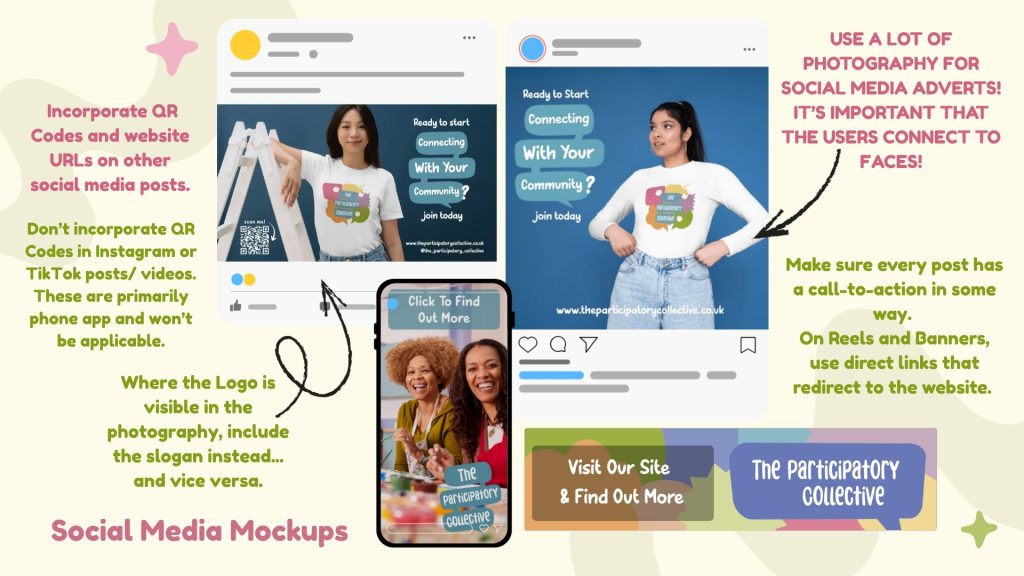
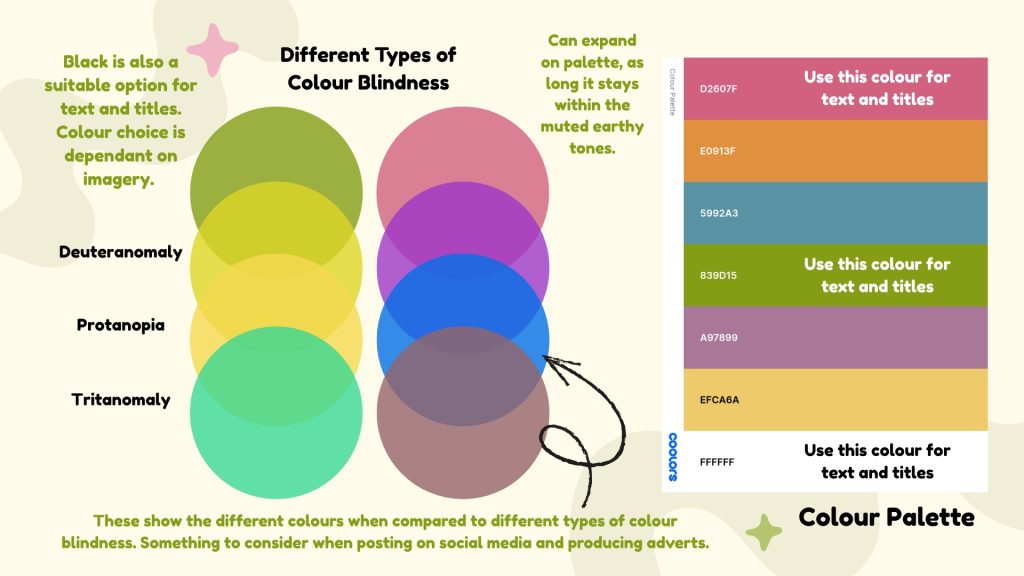
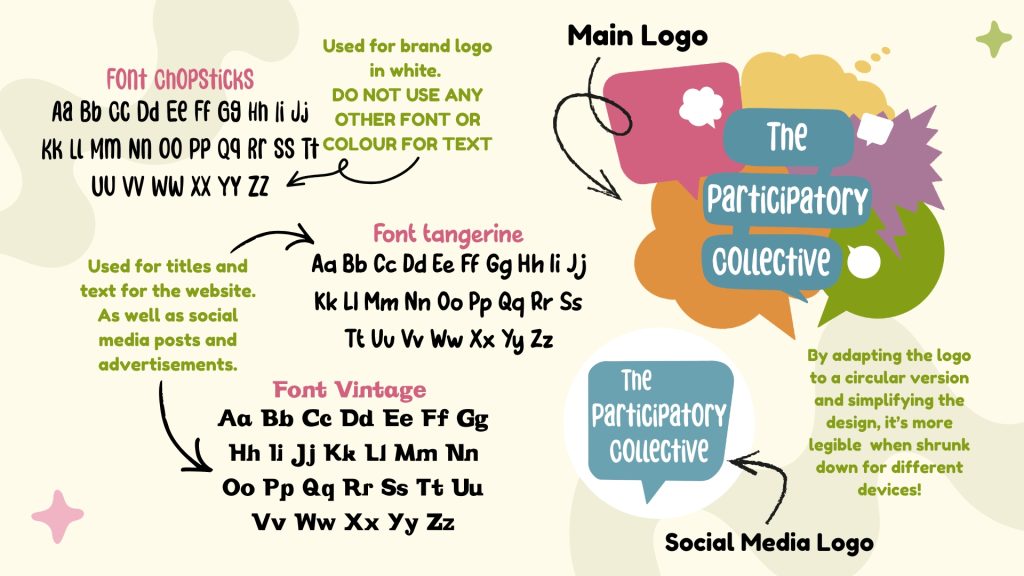
With Facebook being the largest platform for over forty-five year olds, with 35% of users, when compared to Instagrams 10%, this is definitely the primary social platform we should be focusing on (GiraffeSocial, 2025). By creating event pages, alongside ‘The Participatory Collective’s’ main page, we’re creating an area to advertise the upcoming events, as well as showcase images on the day. It’s important that with each post, we show where and when the events are being held. Stressing that despite the involvement with the university, this is a group for all ages and demographics. As per the social media mock-ups in the brand guidelines, it’s also crucial we include branding wherever possible, be it in people or signage.
When using other social media platforms, similar rules will apply, the only main difference being in Reels and Tiktok content. For video based advertising, the goal should be to have a mixture of informational posts, live event posts and trends. By covering all three, we’re allowing the collective to switch between generational gaps. Tiktok being especially more tailored to events and trends as opposed to information, in order to rig the algorithm in our favour.
On the opposite side of the coin, physical media is also a great way to address all ages. One of the main reasons being opportunities for call-to-action placements. With billboards and murals, we’re given wide spaces, to incorporate not only the web address and social media tags, but also more unique and interactive features such as QR codes.
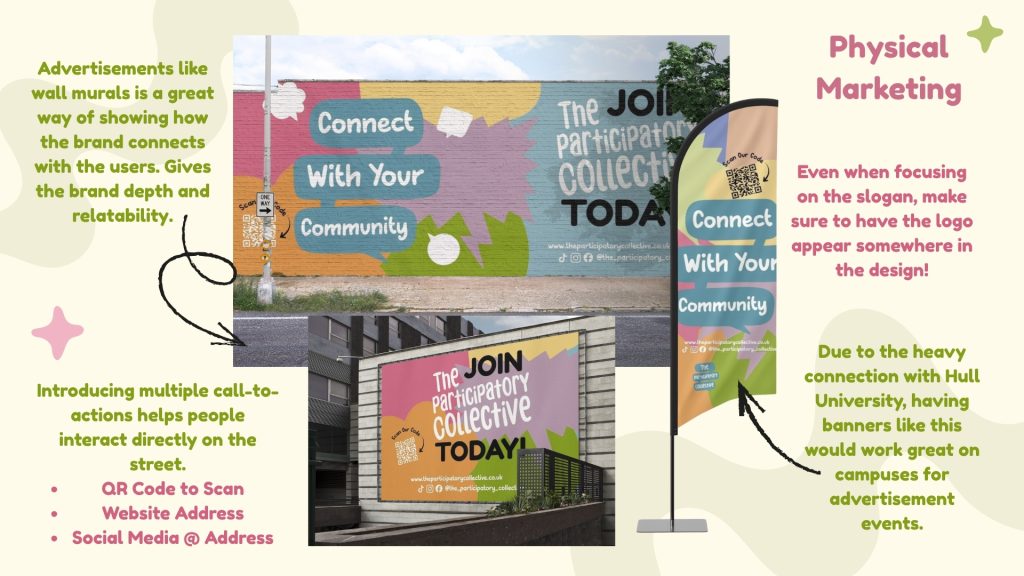
Much like with our events, the placement of each physical media is also vital. By establishing things like murals in central areas of the city centre, as well as near the individual community hubs, we’re increasing the brand recognition and rural connectivity. Things like billboards, are more flexible, with any main roads and areas being applicable. Though another key area to address, is the university itself. By creating banners and flags, we’re allowing the collective to stay within the universities current advertisement guidelines whilst still being represented in a vital area.
Physical Products
Shifting our attention back onto the physicality of this campaign, another key component to assist in the longevity of the collective in peoples minds, is through merchandise. As I’ve previously stated, this is something that should already be considered when signifying connectiveness amongst staff. As well as the consideration of individual community merch. Though I feel it’s important the collective also has some form of physical representation.
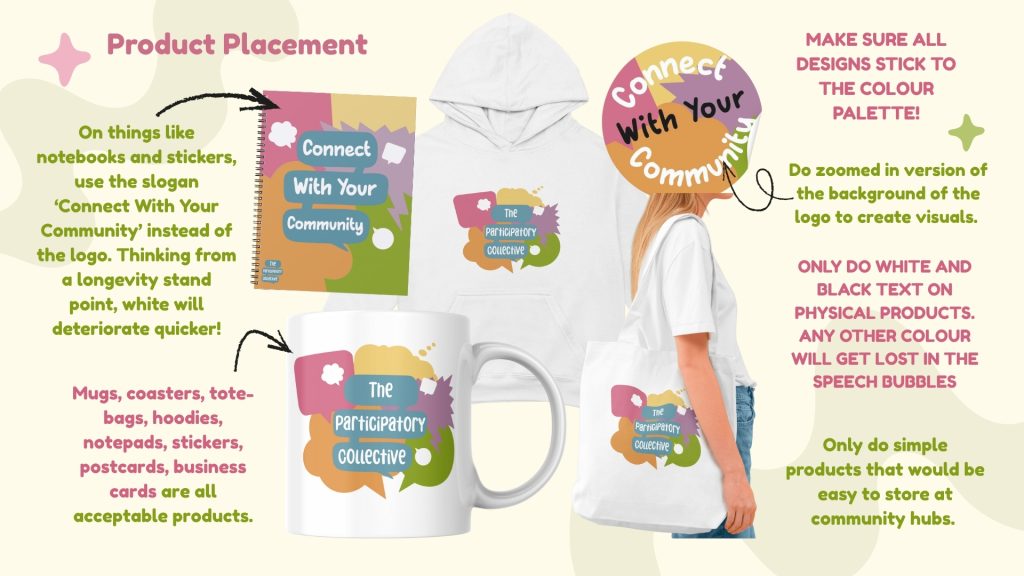
One of the main goals we should focus on when creating merchandise, is the practicality of storage. Ideally, outside of events, merchandise should also be available at each individual communities hub, with the proceeds going back into that community. This means that in the long term, we need to create products that don’t require much storage, as not to isolate smaller communities. By focusing on things such as stickers, notebooks and tote bags, we’re creating small readily available designs that our users can use in their everyday lives.
When attending events, it’s also vital that we establish some products as ‘freebies’. Pens/pencils, stickers, badges and keyrings are small, low cost, products that are a great way to entice people into enquiring about ‘The Participatory Collective’. These paired with informational leaflets or business cards, are an easy way to increase awareness and establish an encouraging tone.
Long Lasting Impact
Combining all of these components, our main goal will be guiding users to the collective’s website. Be it through QR codes, merchandise or social media, it’s important that we create a clear and consistent brand throughout. By referring to the brand guidelines, we can be sure that our visuals and messaging show a clear story of ‘connect with your community’.
In the long term planning for ‘The Participatory Collective’, by establishing a clear guideline now, it makes the brand more identifiable through every event in the future. To put it in lay-man terms, we want that “oh it’s those guys” moment.
Whilst the freshers fair is a potential starting point for the collective, by incorporating an events calendar on the website, we’re opening the door to interactivity for the foreseeable future. Expanding the event, into a full blown campaign. This again solidifies our opportunities for both involvement and recognition around Hull, as well as establishing the brand as a trusted and reliable source with vendors.
Despite being a win for ‘The Participatory Collective’ as a whole, it’s also worth noting the benefits for each individual community involved in this project. By creating events and social media platforms, we’re giving each group an additional area to showcase their mission. In the long term, this should result in not only an increase of involvement in the collective, but the unique communities as well. This paired with an increase in social media following and sales from merchandise, should result in the maximum benefit for each community.
End Goals & Benefits
Wrapping up, lets address how all of this benefits our stakeholders.
Starting with community organisations, as I’ve previously stated, each groups gets an additional platform to showcase their mission or involvement with the Ideas Fund. This paired with the increase of social media recognition and financial support through grants and merchandise are all massive benefits. Overall establishing an encouraging tone for each group, and awareness for their causes.
Moving on to academics and researchers, with the main benefit being information. By incorporating the different communities into one group, they are able to access wider information with ease. Also, by hosting events on campus, these stakeholders are able to assess how students interact with this new format. They also benefit through networking opportunities, as the collective gives them a direct line of contact for multiple groups.
Next is our funders, with The Ideas Fund being the main focus of this, with their benefits being shown throughout. The largest of this being the impactful nature of their funds in action. Much like ‘The Participatory Collective’ as a whole, the funders benefit primarily from awareness towards their generosity. Despite not being discussed, one of the main ways this is done is through the footer on the website. This could also be incorporated at events through the addition of extra branding materials, such as leaflets.
Finishing off with policymakers and local authorities, with their benefits being much like that of our academics. The most noticeable similarity being networking. Alongside this, most of these types of stakeholders will benefit from the physicality of actual events. With them ultimately benefitting from a safe and trusted choice of environment and group.
Overall, by considering our stakeholders alongside each step of our campaign, we’re making sure to stay within our original end goal, connecting with our community.
Narrated Project Walkthrough
Extras
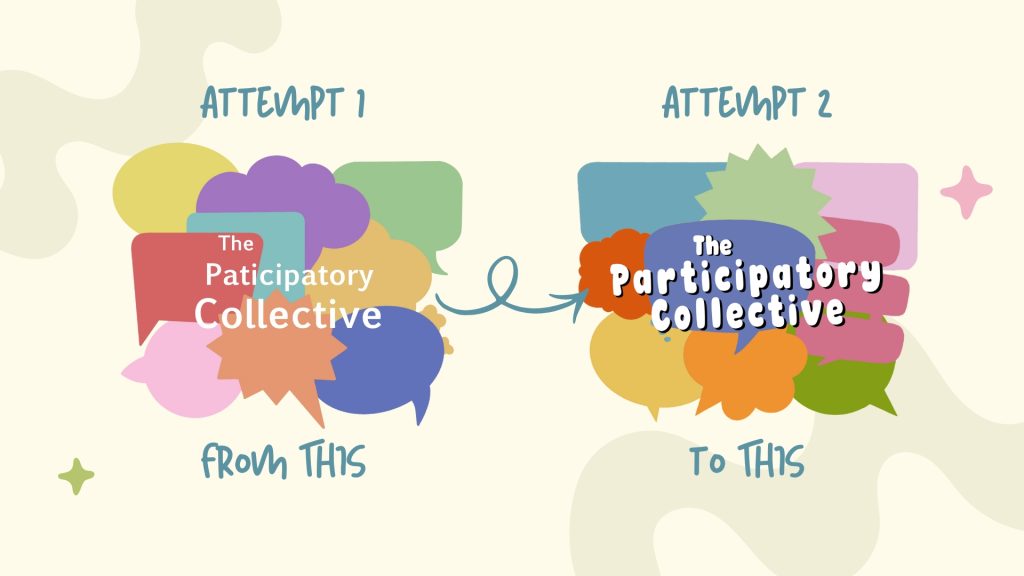
Below is a rough script concept, created to demonstrate a potential video advert for The Participatory Collective.
References
- lenstore hub (2025) Understading colour blindness. https://www.lenstore.co.uk/eyecare/your-guide-colour-blindness [Accessed 02 Jan 2026]
- GiraffeSocial (2025) Facebook Demographics: A Visual Guide to Who is Still Using Facebook. https://www.giraffesocialmedia.co.uk/facebook-demographics-a-visual-guide-to-who-is-still-using-facebook-infographic/#:~:text=Facebook%20has%20a%20broad%2C%20multi%2Dgenerational%20user%20base.,**Regional%20reach**%20*%20**Asia%2DPacific**%201.2%20billion%20users [Accessed 02 Jan 2026]